In the world of injection molding, the integrity and longevity of molds are crucial for production quality. Laser mold repair machines have become an essential tool in maintaining these molds efficiently. This article will explore the optimal wattage for these machines and their significance in injection mold repair.
Understanding Laser Mold Repair
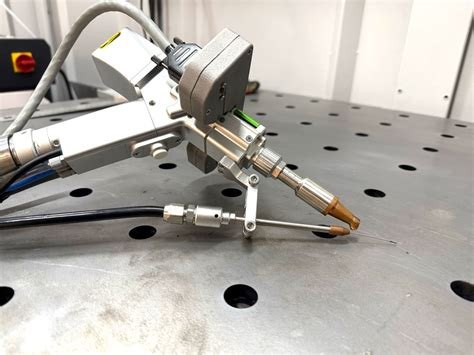
Laser mold repair involves the use of high-powered lasers to fix imperfections, cracks, and wear in molds used for injection molding. This technique is favored for its precision, speed, and minimal thermal distortion compared to traditional welding methods.
Importance of Wattage
The wattage of a laser mold repair machine greatly influences its effectiveness and application. Generally, higher wattage machines can handle thicker materials and more extensive repairs. However, the ideal wattage depends on the specific requirements of the job, including the size and type of mold, as well as the extent of damage.
Low Wattage Machines (20-100 Watts)
Low wattage machines are typically used for minor repairs and maintenance tasks. They are suitable for thin molds or small cracks where precision is vital. These machines are often more portable and less expensive, making them ideal for small workshops or companies with fewer repair needs.
Medium Wattage Machines (100-300 Watts)
Medium wattage machines strike a balance between power and precision. They are versatile enough to handle various mold materials and are capable of performing significant repairs. This wattage range is often the choice for companies with moderate repair needs and larger molds.
High Wattage Machines (300+ Watts)
High wattage laser mold repair machines are designed for heavy-duty applications. They are capable of repairing large and heavily damaged molds quickly and efficiently. However, these machines can be more expensive and may require a higher level of technical expertise to operate.
Factors to Consider When Choosing Wattage
1. **Type of Mold**: Consider the material and thickness of the mold when selecting the wattage.
2. **Nature of Repairs**: Assess the size and complexity of the damages that need to be repaired.
3. **Production Requirements**: Determine how quickly repairs need to be made, as higher wattage machines can speed up the process.
4. **Budget**: Balance your budget with your operational needs, as higher wattage machines come at a premium.
Conclusion
Selecting the appropriate wattage for a laser mold repair machine is essential for effective and efficient mold maintenance. By evaluating your specific repair requirements, mold types, and budget constraints, you can choose a machine that best fits your needs. Remember that investing in a quality machine tailored to your operations will pay off in the long run through enhanced precision and reduced downtime.