Brass is known for its distinct properties and applications in various industries. A common question arises regarding the suitability of handheld fiber laser welding machines, particularly those with a power output of 4000W, for welding brass. This article delves into the technology, capabilities, and considerations surrounding the welding of brass with a 4000W handheld fiber laser welding machine.
Understanding Fiber Laser Welding
Fiber laser welding utilizes a concentrated beam of light generated by fiber lasers to melt and fuse materials. This method is known for its precision, speed, and efficiency, making it increasingly popular in metal fabrication. The advantages of fiber laser welding include lower heat input, reduced distortion, and the ability to weld intricate designs.
Can 4000W Handle Brass Welding?
When it comes to welding brass, a 4000W handheld fiber laser welding machine is capable of delivering sufficient power to achieve effective welds. Brass, composed primarily of copper and zinc, requires careful consideration due to its thermal properties and the tendency for hot cracking during welding. The high energy density of a 4000W laser allows for fast welding speeds and minimizes the risk of overheating, which is crucial for maintaining the integrity of brass.
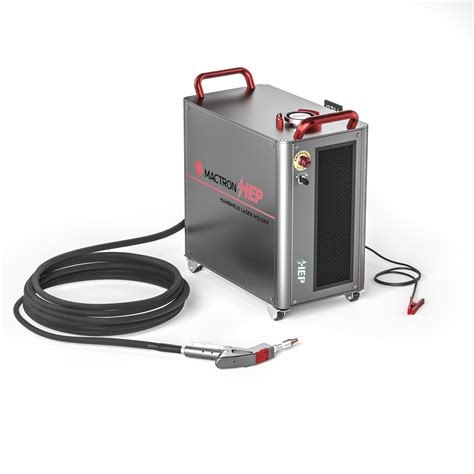
Advantages of Using Laser for Brass Welding
Using a 4000W handheld fiber laser welding machine for brass has several advantages. First, the precision offered by laser welding ensures that the weld bead is clean, reducing the need for extensive post-weld finishing. Additionally, laser welding produces minimal thermal distortion, which is particularly important for brass components that must maintain strict dimensional tolerances. Furthermore, the agility of a handheld machine allows for welding in hard-to-reach areas without the need for complex fixtures.
Challenges and Considerations
While the capabilities are promising, certain challenges remain when welding brass with a handheld fiber laser. The presence of zinc in brass can introduce complications such as zinc vaporization and poor weld quality due to porosity if not properly controlled. Skilled operators should adjust the laser parameters carefully, including the focus, speed, and filler material when necessary, to achieve optimal results.
The choice of filler material is also crucial, as it needs to complement the properties of brass to promote strong welds. Common choices include copper-based filler metals that can help manage thermal and chemical compatibility, effectively bridging the gaps between base materials.
Conclusion
In conclusion, a 4000W handheld fiber laser welding machine can effectively weld brass when proper techniques and parameters are applied. The advantages include precision, speed, and minimal distortion, making it a practical choice for various applications. However, welders should remain vigilant regarding the specific challenges posed by brass to ensure successful and high-quality welds.