The adoption of fiber transmission laser welding technology is gaining traction in various industrial applications, including battery manufacturing. This article explores the suitability of using such technology for welding phone batteries, focusing on the advantages, challenges, and safety considerations.
Introduction to Fiber Transmission Laser Welding
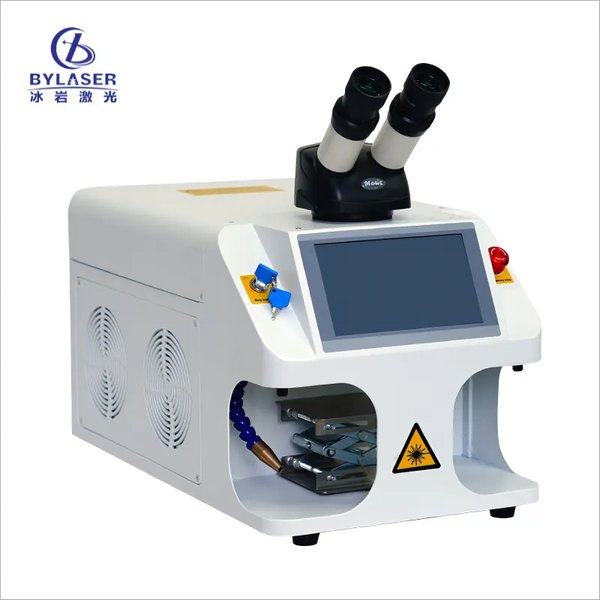
Fiber transmission laser welding involves the use of fiber lasers to achieve high-precision welding. These machines are known for their efficiency and capability to produce strong and reliable welds. In battery manufacturing, particularly in the case of phone batteries, the demand for precise and high-quality welding processes has led to the exploration of fiber laser technology.
Advantages of Using Fiber Lasers in Battery Welding
Fiber lasers offer several advantages when used for welding phone batteries.
1. **High Precision**: Fiber lasers provide exceptional beam quality, allowing for precise control over the welding process. This is particularly important in battery manufacturing, where the components are often small and delicate.
2. **Speed and Efficiency**: The welding speed of fiber lasers can significantly reduce production times. This efficiency is crucial in the highly competitive phone manufacturing industry.
3. **Low Heat Affected Zone**: Fiber lasers generate less heat during the welding process, which minimizes thermal distortion and protects sensitive components from damage.
4. **Versatility**: They can be used to join a wide range of materials commonly found in phone batteries, including aluminum, copper, and various polymers.
Challenges in Implementing Fiber Laser Welding
Despite the benefits, there are challenges associated with using fiber transmission laser welding for phone battery applications.
1. **Initial Cost**: The investment for fiber laser welding machines can be substantial, which might deter some manufacturers.
2. **Complexity of Equipment**: Advanced training is often required to operate these machines effectively, as incorrect settings can lead to poor weld quality.
3. **Material Compatibility**: Not all materials used in batteries may be suitable for laser welding, which necessitates thorough material analysis.
Safety Considerations
When working with laser technology, safety is paramount. Operators must be trained to understand the risks associated with high-powered lasers, including eye damage and skin burns. Proper safety measures, such as protective eyewear and workplace protocols, should be established to minimize these risks.
Conclusion
In conclusion, fiber transmission laser welding machines present a promising solution for phone battery welding. With their high precision, efficiency, and versatility, they can enhance the manufacturing process. However, manufacturers must be mindful of the challenges and safety considerations involved. As technology continues to evolve, it is likely that more companies will adopt fiber laser welding as a standard practice in battery production.