The 300W laser welding system offers an innovative solution for welding brass components with precision and efficiency. This advanced technology is transforming the manufacturing landscape, providing enhanced quality in metal joining processes.
Introduction to 300W Laser Welding
Laser welding has emerged as a cutting-edge technique in the field of metalworking, particularly for challenging materials like brass. With a power output of 300W, this system is ideally suited for fine welding applications where accuracy is paramount. The compact design and high efficiency of the laser welding system make it an asset in various industrial sectors.
Advantages of Using Laser Welding for Brass
Brass is a popular material in manufacturing due to its excellent corrosion resistance and ease of fabrication. However, welding brass can be challenging because of its thermal properties. The 300W laser welding system addresses these challenges effectively. The focused laser beam ensures minimal heat input, reducing the risk of warping and maintaining the integrity of the material.
The precision offered by laser welding also allows for finer weld seams. This results in aesthetically pleasing joints and decreases post-welding finishing processes. Additionally, the energy-efficient nature of the 300W laser system translates into lower operational costs, making it a cost-effective solution for manufacturers.
Applications in Various Industries
The versatility of the 300W laser welding system allows for its application across a range of industries. In electronics, it is used for joining components in devices where space is limited and precision is critical. The automotive industry also benefits from this technology, using laser welding for brass radiator cores and other components that require robust and reliable joints.
Moreover, the decorative arts leverage laser welding for intricate designs, as the laser can cut and join brass with exceptional detail. In plumbing and HVAC systems, this technology is vital for producing high-quality fittings that must withstand significant pressure and temperature fluctuations.
Technological Innovations
Recent advancements in laser technology have contributed to the rise of the 300W laser welding system. Features such as real-time monitoring, automated welding processes, and advanced cooling systems enhance performance and reliability. The integration of artificial intelligence (AI) in some systems also allows for optimization of welding parameters on-the-fly, resulting in superior weld quality.
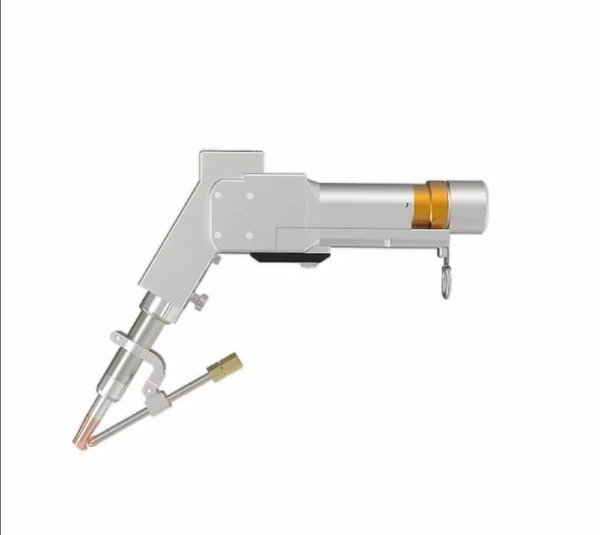
Additionally, portability options like handheld laser welding heads have made it easier to perform repairs and quick fabrication tasks directly on-site, further expanding its usability.
Conclusion
The 300W laser welding system for brass represents a significant step forward in welding technology. Its ability to deliver precise, efficient, and cost-effective results makes it an invaluable tool for manufacturers. As industries continue to evolve, the adoption of advanced laser welding systems will likely increase, paving the way for innovations in manufacturing processes and product design.