In the world of modern manufacturing, the efficiency and precision of welding technology play crucial roles, especially in the production of 3C products, which include computer, communication, and consumer electronics. This article explores whether a fiber laser welder is suitable for welding 3C products, highlighting its advantages and applications.
Understanding Fiber Laser Welding
Fiber laser welding is a process that utilizes high-intensity laser beams generated from fiber optics to join materials together. This technology has gained popularity in various industries due to its ability to deliver precise and high-quality welds with minimal thermal distortion.
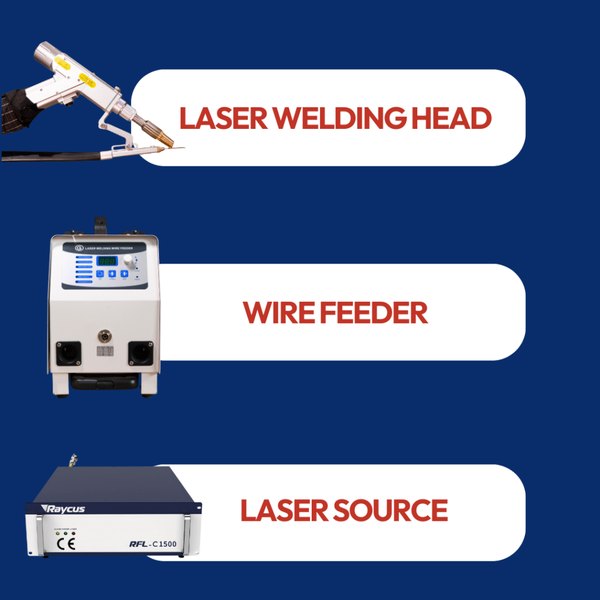
Advantages for 3C Product Welding
One of the primary advantages of fiber laser welding for 3C products is its precision. The technology allows for fine control over the laser beam, enabling the welder to join small, delicate components without damaging adjacent parts. This feature is particularly important in 3C products, where space is tight, and components can be sensitive to heat.
Another significant benefit is the speed of the process. Fiber lasers can operate at high speeds, which increases production efficiency. In a highly competitive market like electronics manufacturing, reducing cycle times while maintaining quality standards is crucial for profitability.
Cost-Effectiveness
While the initial investment for a fiber laser welding machine can be high, the long-term cost-effectiveness is notable. Fiber lasers consume less power compared to traditional welding methods, leading to lower energy bills. Moreover, the reduced need for filler materials and minimal post-weld cleaning can save additional costs.
Versatility
Fiber laser welders are versatile and can work with various materials commonly used in 3C products, including aluminum, stainless steel, and plastic. This adaptability allows manufacturers to use a single machine for multiple applications, simplifying the production process and reducing the need for varied equipment.
Challenges and Considerations
Despite their advantages, fiber laser welders may not be suitable for every situation. For instance, specific materials or thicknesses may present challenges. Additionally, operators may require training to maximize the machine’s capabilities and avoid common pitfalls associated with high-precision welding.
Conclusion
In conclusion, fiber laser welders offer significant benefits for welding 3C products, including precision, speed, and cost-effectiveness. However, manufacturers should evaluate their specific needs and applications to determine whether this technology is the best fit for their production processes. As technology evolves, integrating fiber laser welding could be a game-changer in enhancing the efficiency and quality of 3C product manufacturing.