In the world of precision manufacturing, laser welding has gained significant traction for its efficiency and accuracy. This article focuses on comparing 2000W and 3000W robotic laser welding machines, discussing their efficiency, cost, application, and energy consumption.
Understanding Laser Welding Machines
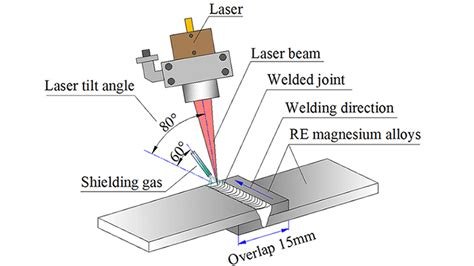
Robotic laser welding machines are automated tools that use laser technology to join materials, typically metals. The power output of these machines is a key factor that influences their performance. The main question that arises is: should you opt for a 2000W or a 3000W machine?
Efficiency and Performance
The efficiency of a laser welding machine often depends on its wattage. A 3000W machine generally offers higher power, which translates to faster welding speeds and the ability to handle thicker materials. This increased efficiency may be crucial for high-volume production where speed is a priority. Conversely, a 2000W machine may suffice for thinner materials and lower production rates, proving advantageous in terms of energy consumption and cost.
Cost Considerations
Cost plays a significant role in the decision-making process. Generally, 3000W machines are more expensive to purchase and may require a higher initial investment. However, the cost difference can be justified by the increased productivity and potential savings on labor and time in high-intensity applications. On the other hand, a 2000W machine represents a more budget-friendly option for businesses that do not require the additional power and speed.
Application Scope
Understanding the specific applications is vital when choosing between these two power levels. The 3000W machine is more versatile, capable of welding various materials and thicknesses, making it suitable for industries such as automotive, aerospace, and heavy manufacturing. Meanwhile, the 2000W machine serves well in industries that deal with thinner materials or less demanding applications, like electronics or jewelry manufacturing.
Energy Consumption
Energy efficiency is another important factor to consider. While a 3000W machine may consume more power during operation, the efficiency of the job performed could leads to less overall energy usage over time, especially in high-production environments. In contrast, the 2000W machine consumes less energy during operation, making it a suitable choice for small to medium-scale businesses prioritizing energy savings.
Conclusion
In conclusion, the decision between a 2000W and a 3000W robotic laser welding machine hinges on specific business needs, including production volume, material thickness, application type, budget constraints, and energy efficiency. Companies must assess their operations and future needs before making a choice, ensuring that the selected machine aligns with their production goals and economic expectations.