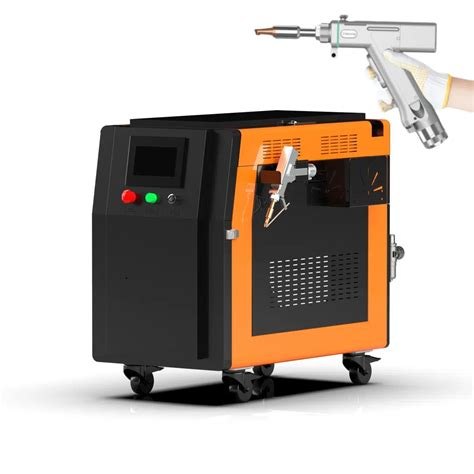
Laser welding technology has become increasingly popular in various industries due to its precision, speed, and quality. When deciding between a 200W and a 300W scanning laser welding machine, several factors come into play, affecting performance, cost, and application suitability. This article explores these factors to help you make an informed decision.
Power and Performance
The primary difference between a 200W and a 300W scanning laser welding machine is the output power. A 300W machine can achieve higher welding speeds and deeper penetration, which makes it suitable for thicker materials. In contrast, a 200W machine is often sufficient for thinner materials and applications where precision is paramount. The choice ultimately depends on the specific requirements of your welding tasks.
Cost Considerations
Cost is another significant factor when choosing between these two power levels. Generally, 300W machines are more expensive due to their increased capabilities. For businesses with limited budgets or those that primarily work with thinner materials, investing in a 200W machine may be more economical. However, if your production requires higher output and efficiency, the initial investment in a 300W machine can pay off in the long run.
Application Suitability
When considering applications, think about the materials you will be working with most often. A 200W scanning laser welding machine is excellent for applications in electronics, jewelry making, and other fields requiring high precision but lower power. On the other hand, a 300W machine is well-suited for automotive, aerospace, and industrial applications where stronger and faster welding is necessary.
Efficiency and Speed
In terms of efficiency, a 300W machine typically offers faster processing times, which can lead to increased productivity. If your projects involve considerable volumes of work and time is critical, the faster welding capabilities of a 300W machine might make it the better choice. Conversely, for lower volume or more intricate work, the efficiency of a 200W machine might be adequate.
Maintenance and Support
Another aspect to consider is maintenance. Higher-powered machines, while capable, may also require more frequent maintenance or specialized support due to their complex systems. Ensure that your team has the expertise or access to technical support, especially if you choose a 300W machine.
Future Scalability
Lastly, think about your future needs. If you anticipate growth or diversification of your services, investing in a 300W scanning laser welding machine may offer more versatility. This machine can handle a broader range of materials andThickness, which can open up new business opportunities.
In conclusion, each machine has its strengths and weaknesses. The 200W scanning laser welding machine is ideal for precision work and has a lower cost, while the 300W machine excels in speed and versatility for more demanding applications. By carefully evaluating your specific needs, budget, and long-term goals, you can make the best choice that suits your business.