Laser welding is becoming increasingly popular due to its precision, speed, and quality of welds, especially when working with materials like aluminum. This article discusses the various types of laser welding systems suitable for aluminum and examines which system may be best for your needs.
Understanding Laser Welding
Laser welding utilizes a focused beam of light to melt and join materials together. The technology offers several advantages over traditional welding methods, including reduced heat-affected zones and higher welding speeds. Aluminum, while lightweight and versatile, presents unique challenges due to its thermal conductivity and oxidation traits.
Types of Laser Welding Systems
There are primarily three types of laser welding systems used for aluminum: fiber lasers, CO2 lasers, and handheld laser welding systems. Each system has its own strengths and use cases.
Fiber Lasers
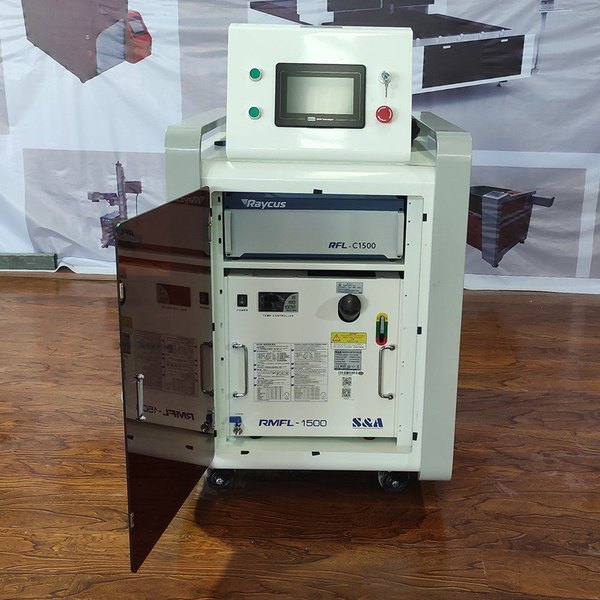
Fiber lasers are known for their efficiency and high-quality beam output. They are excellent for welding thin sheets of aluminum because they can produce a focused, high-energy beam that penetrates deeply without excessive heat diffusion. This results in clean welds with minimal distortion, making fiber lasers a popular choice in industrial applications.
CO2 Lasers
CO2 lasers have been a staple in the welding industry for many years. They are versatile and can handle a variety of materials, including aluminum. However, they are typically less efficient than fiber lasers when it comes to welding aluminum due to their larger spot size and lower power density. CO2 lasers might still be suitable for applications where budget constraints are a concern.
Handheld Laser Welding Systems
Emerging handheld laser welding systems have gained attention for their portability and ease of use. These systems combine the benefits of laser welding with the flexibility of a handheld operation, making them ideal for fieldwork and smaller fabrications. As technology advances, these portable systems are becoming more powerful and reliable for welding aluminum.
Choosing the Best System
The best laser welding system for aluminum largely depends on your specific needs. For high-volume industrial applications requiring precision and speed, a fiber laser is often the top choice. If versatility and budget are key factors, CO2 lasers may fit the bill. On the other hand, for small-scale operations or on-site repairs, a handheld laser system may provide the necessary convenience and efficiency.
Conclusion
In conclusion, selecting the ideal laser welding system for aluminum hinges on evaluating the specific requirements of your projects, including material thickness, production volume, and workspace constraints. While fiber lasers tend to be the best option for professional applications due to their efficiency and weld quality, other systems may align better with different needs or budgets. As laser technology continues to evolve, more options will become available, ensuring that businesses can find the right equipment to achieve top-notch results in aluminum welding.