The advancement of welding technology has opened up new possibilities for metalworking and fabrication. One such innovation is the handheld laser welder, which offers versatility and precision in various welding tasks. This article examines whether handheld laser welders are effective for welding red copper, exploring the properties of copper, welding challenges, and the benefits of this technology.
Understanding Red Copper
Red copper, known for its excellent thermal and electrical conductivity, is often used in electrical applications, plumbing, and decorative items. Its unique properties make it a popular choice in many industries, but these same properties can pose challenges during the welding process. The high thermal conductivity of copper means it can dissipate heat rapidly, which can lead to difficulties in achieving proper fusion during welding.
Challenges of Welding Red Copper
Welding red copper with traditional methods can be problematic due to its high melting point (approx. 1,984°F or 1,085°C) and fast heat conduction. When using arc or MIG welding techniques, there’s a risk of warping, burn-through, and inconsistent weld quality. Moreover, copper’s tendency to oxidize can further complicate the welding process. Handheld laser welders, which concentrate high-energy beams on small areas, offer a potential solution to these challenges.
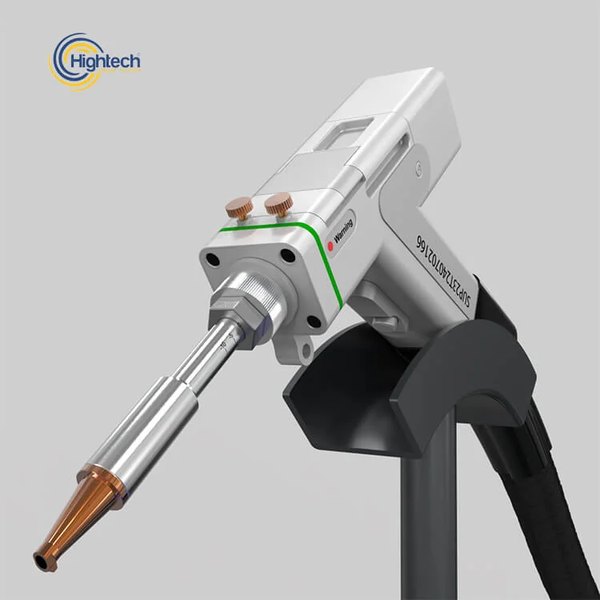
How Handheld Laser Welders Function
Handheld laser welders use focused laser beams to melt and fuse metals. The process involves a laser source that generates a highly concentrated beam, which is directed onto the material surface. This allows for precise control over the heat input, minimizing the risks associated with welding red copper. The quick heating and cooling cycles can help prevent the warping and oxidation issues that are typically associated with other welding methods.
Advantages of Using Handheld Laser Welders on Red Copper
Using a handheld laser welder for red copper offers several benefits. First, the precision of the laser allows for clean and accurate welds, which is crucial for applications that require high conductivity and integrity. Second, the reduced heat-affected zone (HAZ) means less distortion of the material and a lower risk of damage to surrounding areas. Finally, the portability of handheld laser welders enables users to perform welding tasks in various locations without the need for extensive setups.
Conclusion
In summary, handheld laser welders can be an effective tool for working with red copper. Their ability to deliver focused energy allows for high-quality welds while minimizing common copper welding issues. As technology progresses, we can expect handheld laser welding to become an even more vital element in the metal fabrication industry, particularly for materials like red copper that pose unique challenges.