This article explores the process and techniques involved in welding die steel using a mould repair laser welding machine, emphasizing safety measures and the benefits of this advanced technology.
Introduction
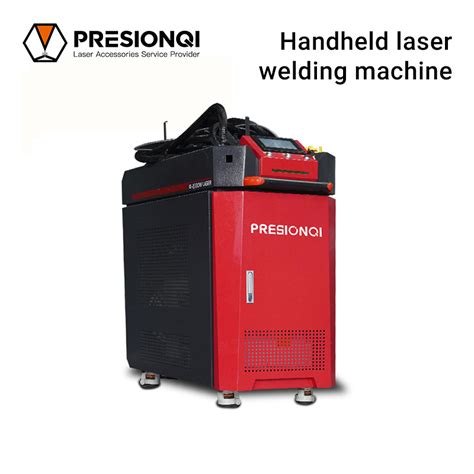
Welding die steel is a crucial task in the manufacturing industry, particularly in sectors like automotive and aerospace. The use of a mould repair laser welding machine has revolutionized the way we can repair and maintain steel dies. This article provides essential information for effectively using a laser welding machine for die steel applications.
Understanding Laser Welding Technology
Laser welding uses a focused beam of light to melt and join materials. This method allows for precision and minimal heat-affected zones, which is crucial when working with die steel. The laser’s concentrated energy allows for deep penetration, making it suitable for thick materials such as die steel components.
Preparing the Die Steel for Welding
Before starting the welding process, proper preparation of the die steel is essential. Follow these steps:
1. **Clean the Surface**: Remove any contaminants like oil, rust, or dirt using appropriate cleaning agents.
2. **Assess the Damage**: Evaluate the extent of the damage to the die steel to determine the welding strategy.
3. **Align the Parts**: If multiple pieces are being welded, ensure they are properly aligned to facilitate a strong bond.
Setting Up the Laser Welding Machine
When operating a mould repair laser welding machine, setup is key for achieving optimal results:
– **Adjust Power Settings**: Ensure the power settings are appropriate for the thickness of the die steel being welded.
– **Focus the Laser Beam**: Properly focusing the beam maximizes the effectiveness of the weld.
– **Calibration**: Perform any necessary calibrations to ensure accurate movements and settings.
Executing the Welding Process
During the actual welding process, consider the following best practices:
– **Maintain a Steady Speed**: A consistent welding speed is crucial to avoid overheating or under-filling the weld.
– **Monitor the Heat Input**: Keep an eye on the heat input to prevent warping of the die steel.
– **Use Filler Material if Necessary**: Depending on the application, a filler material may be utilized to enhance the weld quality.
Post-Welding Inspection and Finishing
After completing the welding process, it’s important to inspect the weld area:
– **Visual Inspection**: Check for voids, cracks, or irregularities in the weld.
– **Non-Destructive Testing**: Employ methods such as ultrasonic or dye penetrant testing to ensure the integrity of the weld.
– **Finishing Touches**: Grind or polish the weld area to achieve the desired surface finish.
Safety Precautions
Working with laser welding machines requires strict adherence to safety protocols:
– **Wear Protective Gear**: Always wear suitable eye protection, gloves, and protective clothing.
– **Ensure Proper Ventilation**: Avoid exposure to harmful fumes by maintaining good ventilation in the workspace.
– **Follow Manufacturer Guidelines**: Familiarize yourself with the machine’s operational manual for specific safety instructions.
Advantages of Laser Welding for Die Steel
Using a mould repair laser welding machine offers numerous benefits:
– **Precision and Control**: The ability to focus the laser beam allows for precise welding of complex geometries.
– **Reduced Distortion**: Minimal heat input results in reduced thermal distortion of the die steel components.
– **Increased Productivity**: Faster welding speeds contribute to higher productivity levels, reducing downtime.
Conclusion
Mastering the technique of welding die steel with a mould repair laser welding machine is an invaluable skill in modern manufacturing. With proper preparation, setup, execution, and safety practices, operators can achieve high-quality repairs that extend the lifespan of critical components.