In today’s high-tech world, the production of sensors requires precision and efficiency. Laser welding systems have emerged as a transformative technology in the sensor manufacturing sector, offering advanced solutions for reliable permanent connections.
Introduction to Laser Welding Systems
Laser welding systems utilize high-intensity laser beams to melt materials and create robust welds with minimal thermal distortion. This technology has gained traction due to its ability to provide precise and clean welds, which are essential in the production of sensitive electronic components like sensors. The automation and adaptability of these systems enhance production efficiency, making them essential tools in modern manufacturing.
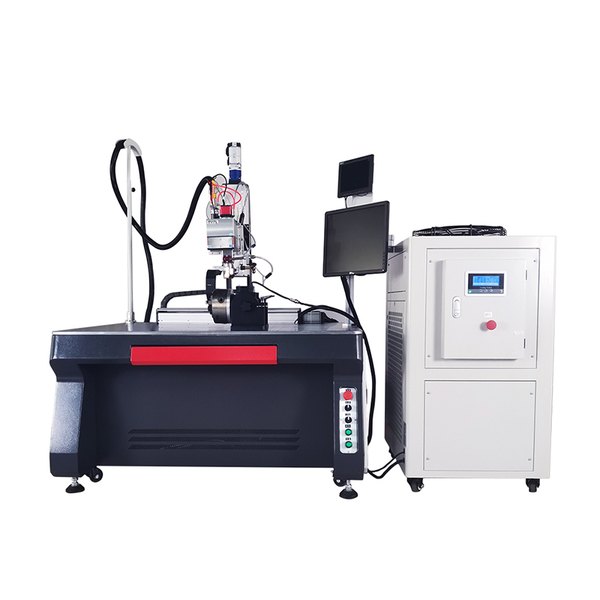
Advantages of Laser Welding for Sensors
The advantages of laser welding systems in sensor production include speed, precision, and flexibility. Unlike traditional welding methods, laser welding can be executed quickly without compromising the integrity of the materials involved. The high precision allows for the welding of tiny components, which are common in sensor technology. Additionally, laser welding can be adapted to suit various materials, including plastics, metals, and composites, providing manufacturers with versatility in their production processes.
Applications in Sensor Manufacturing
Laser welding systems are predominantly utilized in the production of various sensors, such as automotive sensors, pressure sensors, and medical sensors. The automotive industry benefits significantly from laser welding, as it ensures that components endure vibrations and temperature changes. Medical sensors require sterile and precise welds, which laser technology is capable of delivering. Moreover, in the realm of consumer electronics, laser welding is employed to enhance the durability and reliability of sensor systems.
Technological Innovations
Continuous advancements in laser technology, particularly fiber lasers, have significantly improved the capabilities of laser welding systems. Fiber lasers provide higher efficiency and better beam quality, which translate to finer welds and improved material processing speeds. Furthermore, innovations in software and automation, including robotics integration, have simplified the operation and increased the productivity of laser welding systems.
The Future of Sensor Welding
As industries strive for greater efficiency and quality, the demand for laser welding systems in sensor manufacturing is expected to grow. The integration of artificial intelligence and machine learning into these systems promises further enhancements, including predictive maintenance and real-time quality monitoring. This evolution will lead to even more reliable sensor production and could reshape the landscape of various industries relying on high-quality sensor technologies.
Conclusion
In conclusion, laser welding systems represent a significant advancement in the manufacturing of sensors. Their ability to provide precise, efficient, and reliable welds makes them indispensable in today’s technology-driven world. As innovations continue to evolve in laser technology, we can expect even more sophisticated and effective solutions to emerge in the field of sensor welding.