This article explores the applicability of continuous wave laser welding machines in the fabrication of medical instruments, highlighting their advantages, limitations, and the technology behind them.
Introduction
Laser welding technology has gained prominence across various industries, including the medical sector. This article examines whether continuous wave laser welding machines can be effectively used for welding medical instruments, considering their precision, safety, and overall effectiveness in such critical applications.
Understanding Continuous Wave Laser Welding
Continuous wave (CW) laser welding involves the use of a laser beam that emits a constant stream of light, allowing for high energy density and precision. This method is particularly beneficial for materials requiring tight tolerances and fine seam control, a common necessity in medical instrument manufacturing. The technology offers advantages such as reduced thermal distortion and improved joint quality, making it suitable for welding delicate parts.
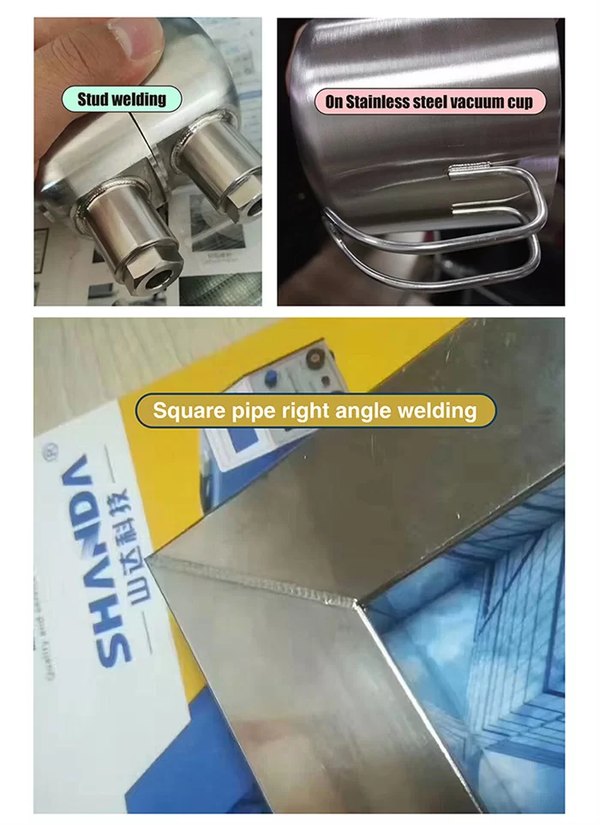
Advantages of Using CW Laser Welding in Medical Instruments
One of the primary advantages of CW laser welding for medical instruments is its precision. The focused laser beam allows for accurate welding in tight spaces often required for intricate medical devices. Additionally, CW lasers produce minimal heat, which helps in preventing damage to sensitive components and maintaining the integrity of materials used in medical applications. Furthermore, the speed of the welding process can enhance production rates, making it an efficient option for manufacturers.
Safety Considerations
The medical industry is governed by strict safety standards, given the high stakes involved in patient care. CW laser welding machines provide a controlled environment for welding, with the ability to monitor and adjust laser parameters in real time. This adaptability helps manufacturers comply with safety regulations. Additionally, the clean and precise nature of laser welding minimizes contamination risks, a critical factor when producing instruments that come into contact with patients.
Limitations and Challenges
While continuous wave laser welding offers significant advantages, it is not without limitations. One challenge is the initial setup cost, which can be high for specialized laser welding machines. Moreover, certain materials may require specific welding techniques or pre-treatments that could complicate the process. It is essential for manufacturers to assess the suitability of CW laser welding for their specific requirements, weighing the benefits against potential challenges.
Conclusion
Continuous wave laser welding machines present a viable option for welding medical instruments, given their precision, speed, and safety advantages. However, manufacturers must carefully consider the limitations and challenges associated with this technology. As advancements in laser welding continue to evolve, it is likely that CW laser welding will become an increasingly integral technology in the fabrication of high-quality medical instruments.