In the evolving landscape of automotive repair, laser welding robots have emerged as a game-changer. This technology not only enhances the quality of repairs but also optimizes the entire repair process, driving efficiency and precision in vehicle body restoration.
Introduction to Laser Welding Technology
Laser welding uses focused laser beams to fuse materials together, making it an ideal choice for joining metals in vehicle bodies. This fast and efficient process reduces heat distortion and ensures a clean and strong weld, which is crucial in automotive repairs where precision is paramount.
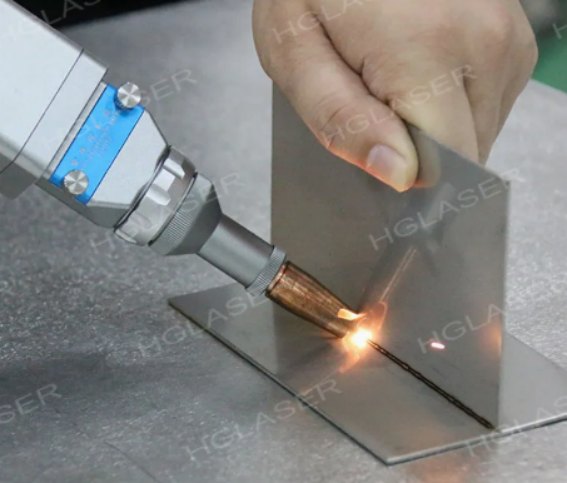
Advantages of Laser Welding Robots
Laser welding robots offer several key advantages over traditional welding methods. Firstly, they provide superior precision and control, allowing for intricate repairs without damaging surrounding components. Secondly, the automation of the welding process minimizes human error, increasing the reliability of repairs and improving overall safety for workers.
Moreover, laser welding is faster than conventional welding techniques, significantly reducing the time required for repairs. This means that vehicles can be serviced and returned to customers much quicker, leading to increased customer satisfaction and business efficiency.
Applications in Vehicle Body Repair
In vehicle body repair shops, laser welding robots can be employed for a variety of tasks, including the joining of body panels, structural repairs, and even repairing complex assembly parts. The versatility of laser welding technology allows repair shops to handle different materials such as aluminum, steel, and composites, which are commonly used in modern vehicles.
Furthermore, the ability to achieve high-quality welds in thin materials makes laser welding particularly suitable for repairs in high-end and lightweight vehicles, where traditional welding might compromise structural integrity.
Safety and Eco-Friendliness
Safety is a top priority in any repair environment. Laser welding robots reduce exposure to hazardous fumes, heat, and noise associated with traditional welding methods. The precise nature of laser welding means that there is less risk of injury from splatter or sparks, creating a safer workplace for technicians.
Additionally, laser welding can be more environmentally friendly. It produces less waste and reduces energy consumption compared to other welding processes. This not only benefits the environment but also helps automotive repair shops to lower their operational costs.
The Future of Laser Welding in Automotive Repair
As technology continues to advance, the capabilities of laser welding robots will only improve. With innovations in robotics and machine learning, these systems will become more intelligent, allowing for real-time adjustments and better integration with other automated processes in repair shops.
The future of vehicle body repair looks promising with laser welding at the forefront. Implementing this technology can give repair shops a competitive edge in a fast-changing market, providing high-quality, efficient, and environmentally responsible solutions.
Conclusion
In summary, laser welding robots are set to revolutionize the way vehicle body repair is conducted. With their unparalleled precision, efficiency, and safety features, they offer significant advantages over traditional welding methods. The automotive repair industry is embracing this innovative technology, paving the way for a more advanced and effective approach to vehicle body repairs.