The advancement in welding technology has opened new doors for manufacturing industries, specifically in repair processes. This article explores whether mould repair laser welding machines can be effectively utilized for the repair of forging dies.
Introduction
In the manufacturing sector, the integrity of tooling, such as forging dies, is crucial for ensuring quality and efficiency. Traditional repair methods can be time-consuming and often reduce the lifespan of the die. Mould repair laser welding machines, designed primarily for precise repairs, have emerged as potential game-changers in this field. But can they be effectively used for repairing forging dies?
Understanding Mould Repair Laser Welding
Mould repair laser welding machines utilize high-energy laser beams to precisely melt and bond materials together. This method is particularly beneficial for dealing with minor damages and cracks in moulds and dies. The laser’s accuracy minimizes the heat-affected zone (HAZ), which is crucial in maintaining the integrity of the surrounding materials. As a result, less post-repair machining is often necessary.
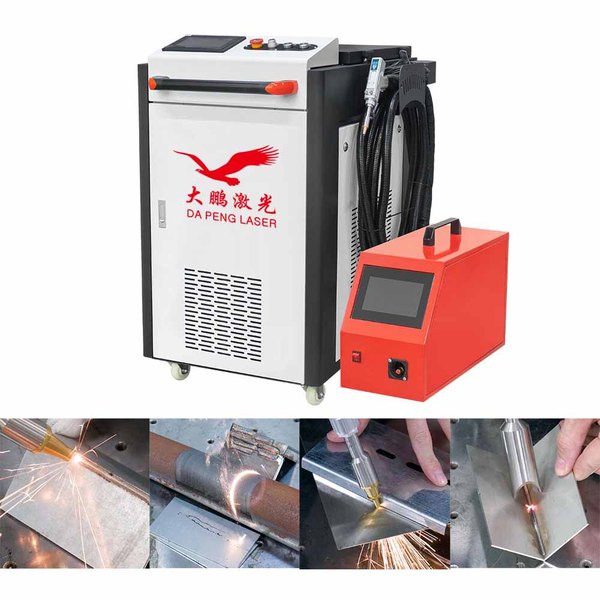
Applications in Forging Die Repair
Forging dies often face significant wear and tear due to the high pressures and temperatures involved in the forging process. Traditional repair methods, such as welding and grinding, can be labor-intensive and may compromise the dimensional accuracy of the die. Mould repair laser welding offers a new approach that allows for precise additions of material to worn areas without the need for extensive reworking.
The ability to add material in a controlled manner allows for quick, efficient repairs that do not detract from the die’s performance. This technology can extend the lifespan of the die, reduce downtime in production, and ultimately lead to cost savings.
Benefits of Using Laser Welding Machines
1. **Precision**: The focus of the laser beam allows for high precision in repairs, minimizing the chance of further damage.
2. **Minimal Heat Impact**: The localized heating reduces the risk of warping the die, a common issue with traditional welding techniques.
3. **Time Efficiency**: Repairs can be completed more quickly compared to traditional methods, leading to less downtime in manufacturing processes.
4. **Material Compatibility**: Laser welding machines can effectively work with various materials, making them versatile tools in the repair shop.
Considerations for Implementation
While the benefits are numerous, there are important considerations to take into account. The initial investment in laser welding technology can be substantial. Furthermore, operators need to be adequately trained to handle the equipment and perform repairs effectively. It’s also crucial to conduct tests to determine the specific requirements and limitations of laser welding for the specific types of forging dies in use.
Conclusion
In conclusion, mould repair laser welding machines offer a promising solution for forging die repairs. Their precision, reduced heat impact, and efficiency can make them a formidable alternative to traditional repair techniques. However, companies should carefully weigh the costs and training requirements against the long-term benefits.
As the technology continues to develop, it is likely that more industries will adopt laser welding machines for various applications, potentially revolutionizing the way we approach die repairs in the manufacturing sector.