Laser seam welding machines are gaining prominence in the metal fabrication industry. This article explores their capabilities, applications, and the advantages of using laser technology for welding steel.
Understanding Laser Seam Welding
Laser seam welding is a precise and efficient welding process that utilizes concentrated laser beams to join materials together. This technology is particularly effective for welding thin materials and is capable of creating strong, high-quality welds with minimal thermal distortion. The focused laser energy melts the materials at the seam, allowing them to fuse together as they cool.
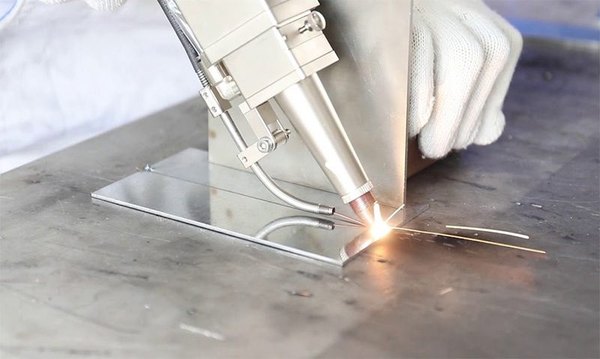
Can It Weld Steel?
Yes, laser seam welding machines can effectively weld steel. The technology is well-suited for various types of steel, including carbon steel, stainless steel, and alloy steel. The flexibility of laser welding allows for the joining of different steel thicknesses, making it an ideal choice for diverse applications in the automotive, aerospace, and manufacturing industries.
Advantages of Laser Seam Welding
One of the main benefits of laser seam welding is its precision. The focused laser beam allows for very fine control over the welding process, leading to consistent and repeatable results. Additionally, the heat-affected zone is minimal, reducing the risk of warping or damaging the surrounding material. This makes laser welding particularly advantageous for high-strength applications where structural integrity is critical.
Another advantage of laser seam welding is its speed. The process can be much quicker than traditional welding methods, enhancing productivity in manufacturing environments. Moreover, laser welding can be automated, further improving efficiency and reducing labor costs.
Applications of Laser Welding in Steel Fabrication
Laser seam welding is increasingly used in various sectors that require high-quality steel joints. In the automotive industry, it is utilized for the assembly of body panels, where precision and strength are paramount. In the aerospace sector, laser welding is applied in the production of aircraft components, ensuring lightweight and durable structures.
Additionally, laser seam welding is favored in the manufacturing of industrial equipment, where it is important to maintain tight tolerances. Its ability to weld a variety of steel grades and thicknesses makes it versatile for many manufacturing processes.
Challenges and Considerations
Despite its many benefits, there are some challenges associated with laser seam welding. The initial investment in laser welding machines can be higher compared to traditional welding equipment. Furthermore, proper training and expertise are required to operate these machines effectively and safely.
Another consideration is the need for proper material preparation. The surfaces to be welded must be clean and free of contaminants to ensure optimal weld quality. This step is crucial for achieving strong, reliable joints.
The Future of Laser Seam Welding
As technology advances, the capabilities of laser seam welding machines continue to improve. Innovations in laser technology, such as fiber lasers, are enhancing the efficiency and effectiveness of this welding method. As industries demand higher precision and faster production rates, laser seam welding will likely become an even more integral part of metal fabrication processes.
In conclusion, a laser seam welding machine can indeed weld steel, providing numerous benefits that enhance productivity and quality in various applications. Its precision, speed, and versatility make it a valuable tool in modern manufacturing environments.